

Why we don’t offer endless revisions — and what works better
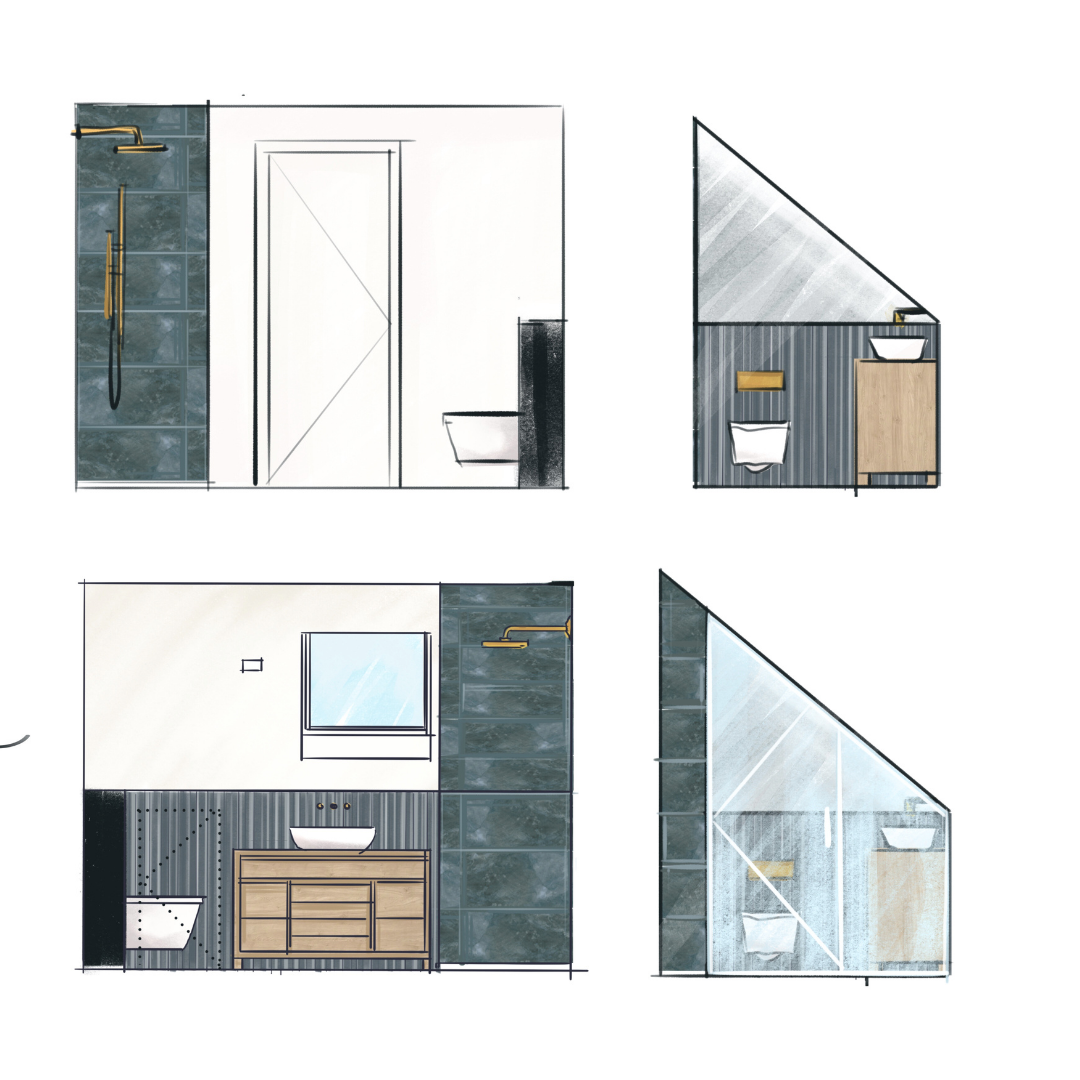
A friend recently told me she’d appointed an architect who offers unlimited revisions.
She said it reassuringly —
“At least we can keep changing things until it’s right.”
But she also admitted she was feeling slightly underwhelmed by the design so far.
And that combination is more common than people realise.
Because on the surface, unlimited revisions sound like a benefit.
More flexibility. More control. Less risk.
But in practice, they often create the opposite.
Early on in the studio, we worked this way too.
Projects would evolve gradually — a comment here, a tweak there. A lighting change one week, a door adjustment the next, then a layout revision a few weeks later.
It felt collaborative.
But what we learned over time is that this approach rarely leads to clarity.
It leads to drift.
When decisions are made in isolation, it becomes very difficult to hold onto the overall vision of the project. You lose sight of how everything connects — layout, lighting, materials, flow — and coordination starts to unravel.
More importantly, feedback becomes diluted.
Instead of sitting down and properly reviewing a scheme as a whole, it gets broken into fragments. Comments are made reactively, often without the full picture in mind.
And that doesn’t serve anyone.
We now work differently.
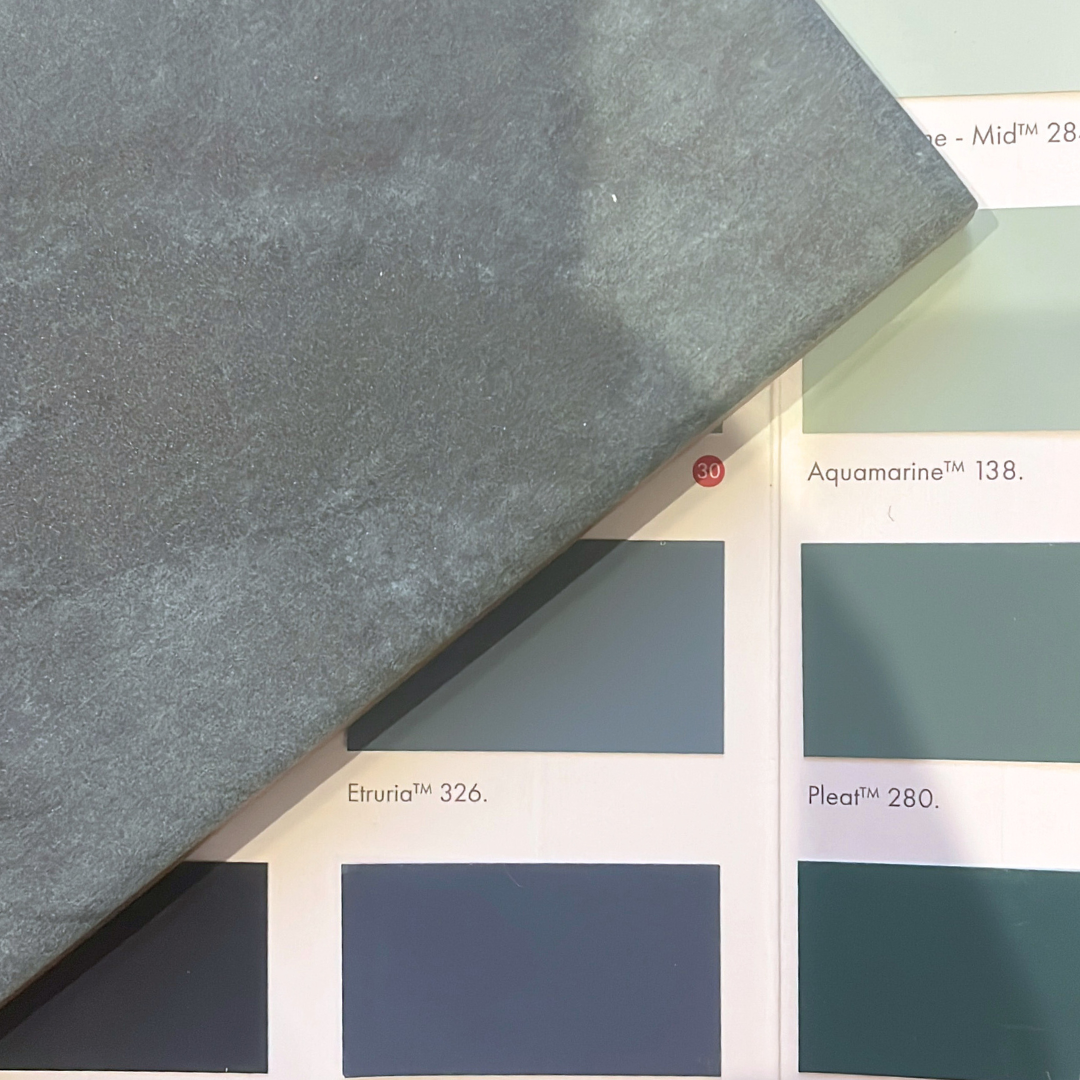
Rather than open-ended revisions, we structure projects around a small number of focused review stages.
At each stage, the design is presented clearly, and clients are encouraged to take the time to review it properly — as a complete proposal, not as isolated parts.
The feedback we receive in those moments is always more considered.
Clients tend to be more direct, more thoughtful, and more decisive — not because they’re under pressure, but because the process encourages clarity.
It also allows us to get to the crux of any misalignment much more quickly.
Instead of circling around the edges of a problem for weeks, we can address it directly and move forward with confidence.
There’s another side to this as well, which is less often talked about.
Endless revisions can quietly erode a project.
If you’ve already had ten iterations over a number of weeks and still aren’t happy, it’s very easy for doubt to creep in.
You start to question the direction.
The collaboration.
The decisions that have been made.
But because time and energy have already been invested, the instinct is often to keep going.
And that’s where frustration builds.
Momentum slows.
Excitement fades.
Communication becomes less clear.
Whereas if you reach a structured review point and something isn’t working, it’s much easier to pause and address it properly.
To ask:
Are we aligned on priorities?
Is something fundamental being missed?
Or are we simply not the right fit?
Those are much healthier conversations to have early, rather than months down the line.
Of course, projects aren’t always linear.
Sometimes things change — budgets shift, new information comes to light, or priorities evolve.
We absolutely allow for that.
But we’re clear from the outset that additional revisions beyond the agreed stages are treated as additional work.
Not as a penalty — but as a way of keeping the process focused, transparent and professional.
And in practice, it works better for everyone.
There’s a quote from Denise Duffield-Thomas that has always stayed with me:
“You are doing your clients a favour when you set clear boundaries and communicate fees openly and unapologetically.”
That shift — from a more fluid, accommodating approach to a structured one — has been one of the most important changes in how we work as a studio.
Not because it limits creativity.
But because it protects it.
It allows us to focus on delivering thoughtful, well-resolved design, while giving clients a clear, confident framework to work within.
If you’re starting a project, it’s worth thinking about how the process is structured — not just the end result. The right framework will always lead to better decisions, clearer communication and a more enjoyable experience overall.
And if you’re at that early stage, this is often something we define together through our Strategy Document — setting a clear direction before the design begins.