

Why some spaces just feel better to be in
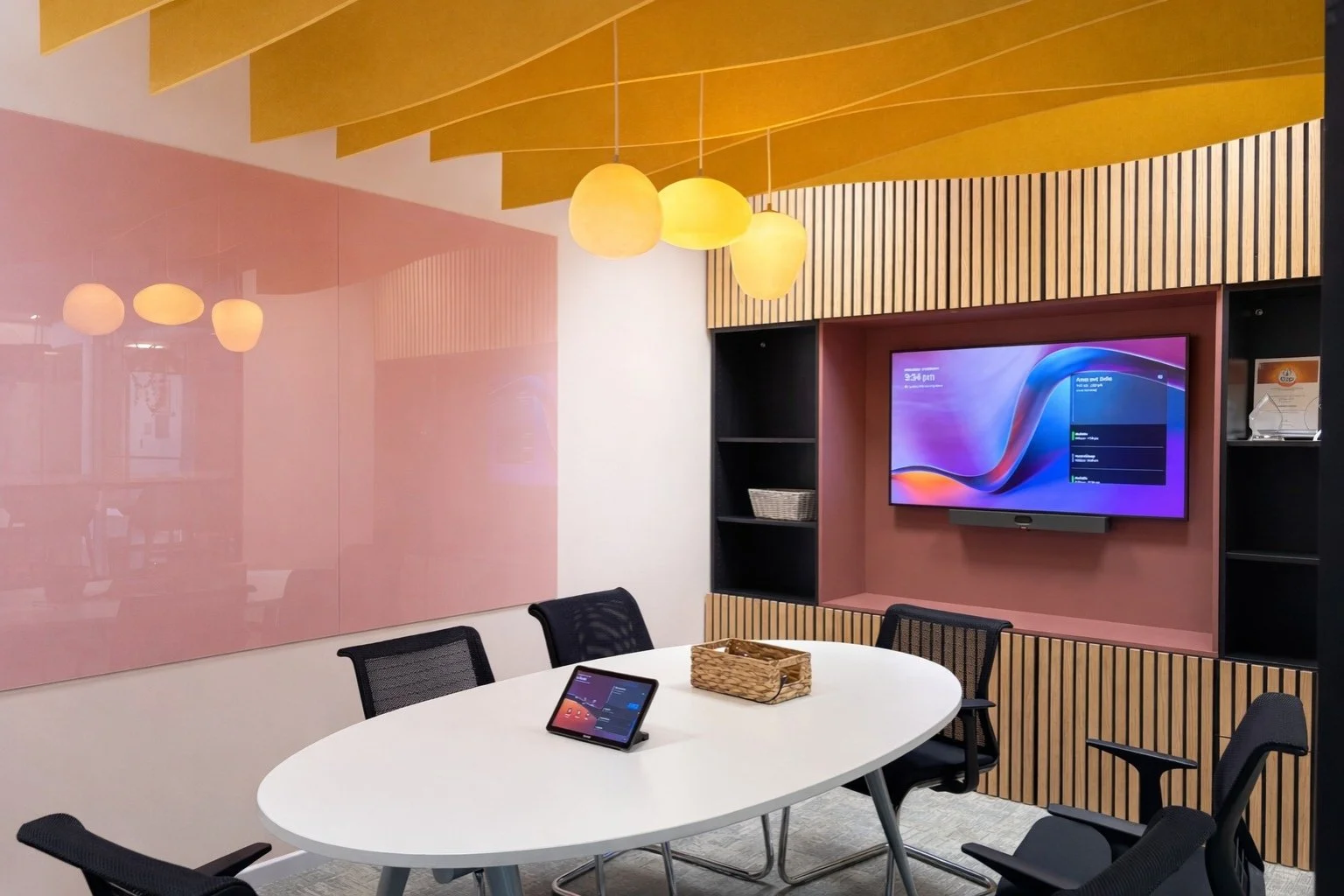
Some spaces just feel right.
Not in an obvious way — there’s no single feature you can point to — but in how they make you feel when you’re in them.
Often, it’s not what you see.
It’s what’s been resolved behind the scenes.
We saw this clearly on the Lumina project, where a lot of the focus went into things that aren’t immediately visible — acoustics, zoning, how materials balance each other, how people move through the space.
Nothing about it feels forced.
But it feels calm, and easy to use.
That’s rarely the result of one big design move.
It’s usually the result of many small decisions working together.
How sound travels between spaces.
How light is layered.
How circulation routes are handled so they don’t interrupt how a room is used.
In residential projects, this might show up slightly differently.
A room that no longer feels like a corridor, but somewhere you naturally sit. A space where children can play nearby without taking over. A layout that allows for both connection and separation when you need it.
These things are subtle.
But they’re what people respond to over time.
If a space feels slightly off, it’s often these underlying elements at play.
And they’re almost always easier to resolve early — before decisions are fixed and harder to change.
Good design doesn’t need to announce itself.
But you feel it, every day.