

Why lighting quietly defines everything
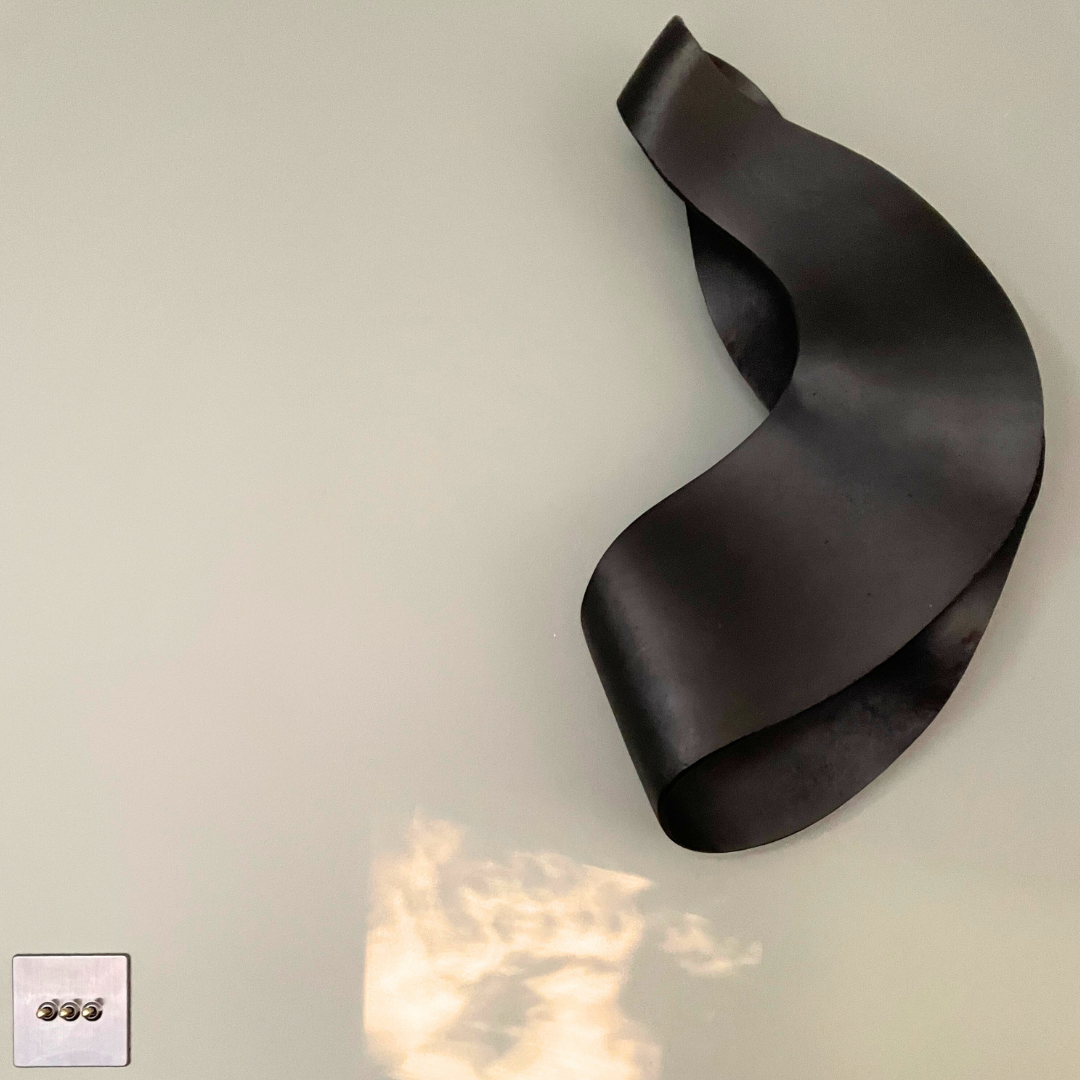
Lighting is often one of the last things considered in a project. We often see architects layouts with generic spotlight arrangements and indicative switch locations, which means the design moves forward without properly resolving layered and loose lighting - and the client is left to choose decorative fittings during the build.
But these details have one of the biggest impacts on how the space feels.
We were invited to advise on a space where everything had been finished beautifully — the layout worked, the materials were well chosen, the detailing was thoughtful.
But something didn’t quite land.
The issue was flat lighting.
There was plenty of it, but it was doing the same job everywhere. Once we introduced more layering — softer ambient lighting, more focused task lighting — the space started to settle.
It also allowed for more personal moments.
A subtle lighting detail within a piece of joinery that highlights something you love — an object, a book, a vase. Not in a way that feels showy, but enough to create a point of focus.
Those details often become the things people comment on.
Not because they’re obvious, but because they feel considered.
Lighting doesn’t need to be dramatic to be effective.
But it does need to be intentional.
And it’s far easier to integrate properly when it’s considered early, alongside layout and materials — not thrown in at the end.