

What sustainability actually looks like in practice
Sustainability is often framed around materials.
And while that’s important, it’s only part of the picture.
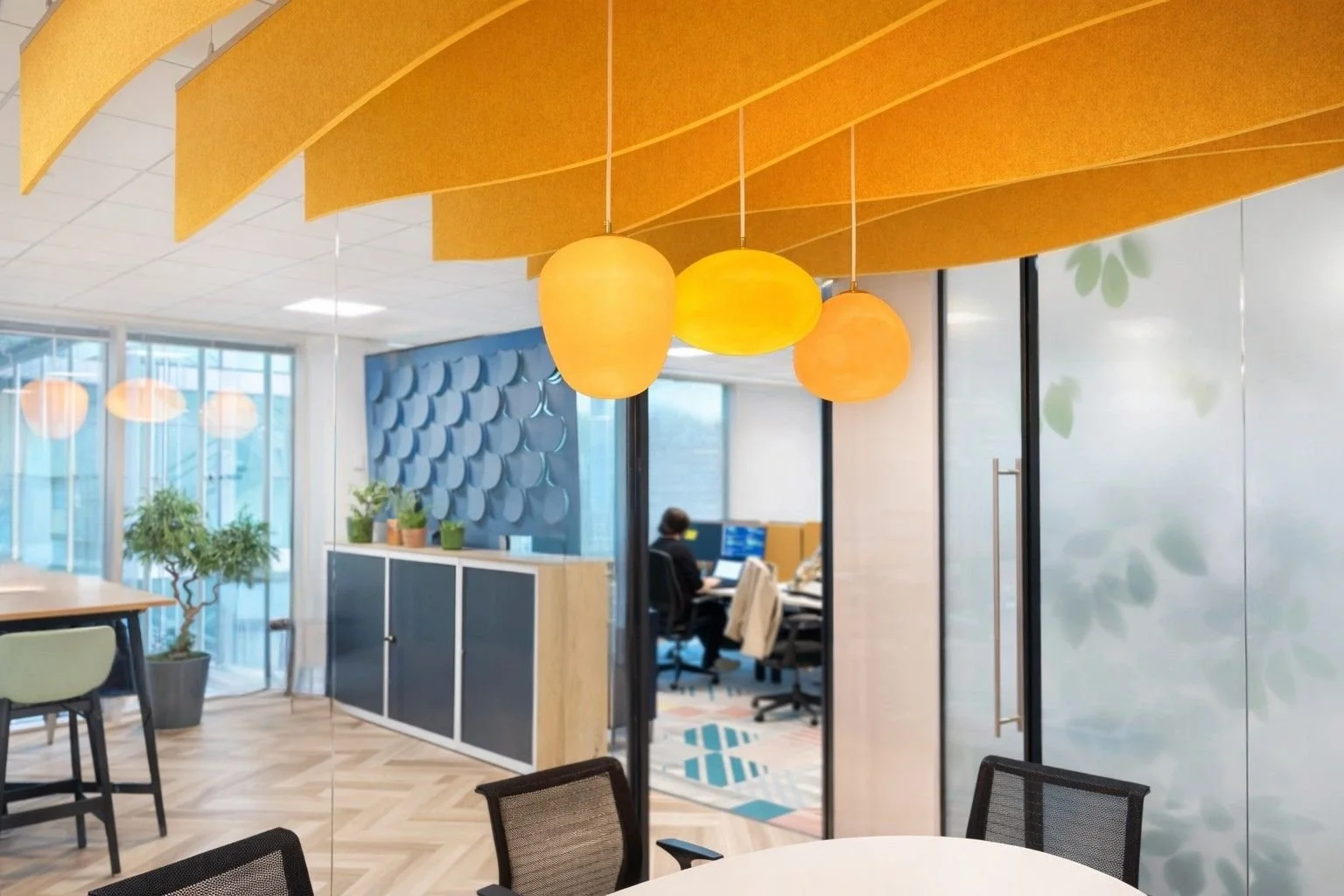
On our Lumina Learning project, the conversation started elsewhere.
The brief was to create a workspace that people actively wanted to use — not one they felt obliged to come into.
That shaped the design from the outset.
We looked at how different types of work would be supported, how the space could adapt over time, and how it would feel to spend time in day to day. Layout, zoning and comfort were just as important as material choices.
The result is a space that is used more, not less.
And that’s often overlooked.
Because a space that works — and continues to work — reduces the need for future reconfiguration, relocation or replacement.
Of course, materials still matter. Durability, longevity and how they age over time are all part of the conversation.
But sustainability also comes from creating something that people engage with and value.
A space that sits unused, or needs constant adjustment, is rarely sustainable — regardless of how it was specified.
If sustainability is a priority in your project, it’s worth thinking about both: what something is made from, and how it will actually be lived in.